Media strategists from Publicis, Atomic 212°, Noble People, and Involved Media, industry body AiMCO, plus a CMO, unpack why investment in social, audio, OOH, and retail is on the rise, reports LBB’s Tom Loudon
Marketers are moving away from “every channel, every time” toward a “fewer, bigger, better” mindset, according to industry leaders, concentrating spend on channels that offer measurable outcomes.
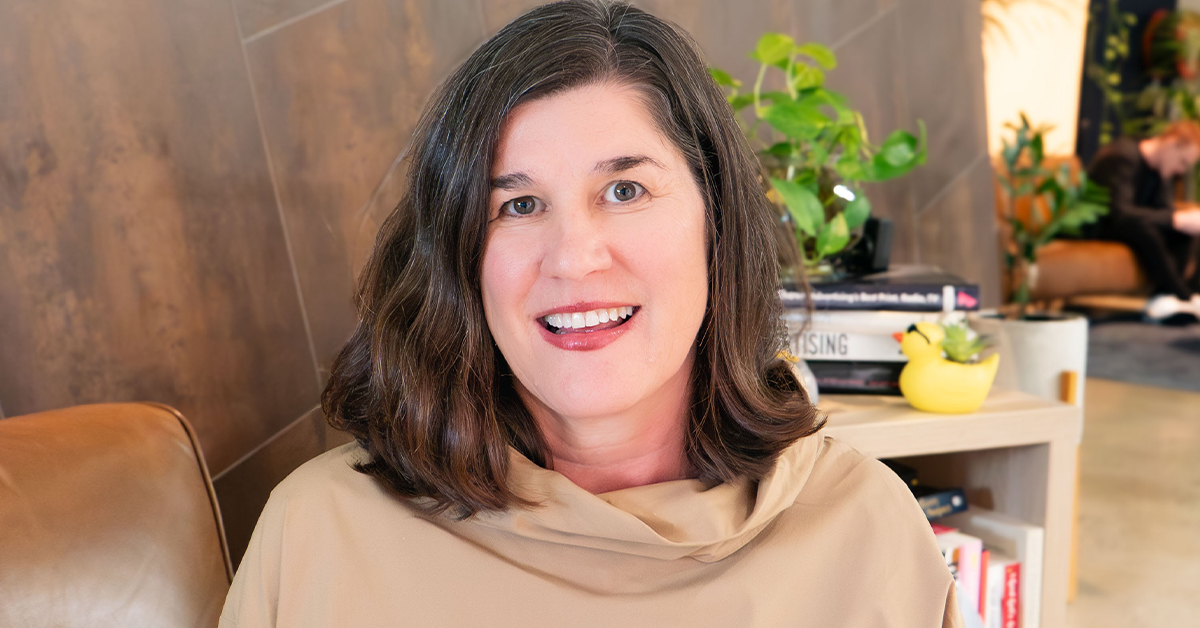
Publicis Media Exchange New Zealand’s head of investment, Vicki Anderson, said Kiwi market trends indicate a reshaping of advertising investment.
“Budgets continue to shift toward digital‑led channels, with streaming and digital video, search, social, and retail media taking an increasing share of spend,” Vicki said.
“This growth is driven by their relative ease of activation and measurement within omnichannel campaigns. In contrast, linear TV and print continue to decline.
“What’s changed is how deliberate those choices are becoming. Brands are no longer defaulting to ‘every channel, every time’, but are concentrating investment where media can be connected through data, measurement and outcomes.”
Last year, Unilever confirmed it will spend half its media dollars on social channels and work with 20 times more creators. Earlier this year, the company’s CEO called it an “army” of influencers.
Patrick Whitnall, managing director of industry body AiMCO (Australian Influencer Marketing Council) said the Australian market is “absolutely” seeing the ripple effects of Unilever’s pivot.
“When the world’s second-largest advertiser commits 50% of their budget to creator and influencer channels, it sends a clear signal that this is no longer experimental; it’s a core part of creative and media strategy,” Patrick told LBB.
“The days of running campaigns with a handshake and a hashtag are over.”
The Australian influencer marketing industry is approaching a billion dollars in ad spend, but Patrick explained that non-represented creators doing brand work have “no professional credentials” and no formal training in disclosure or financial obligations.
“The knock-on effect isn’t just more money into the industry. It’s more pressure on everyone, including brands, agencies, talent managers, and creators, to operate to a higher standard.”
Marketer and founder of Gallant Creative Advisory, Andrew Howie, said brands are becoming “excited” about measurement.
“Marketers have more visibility into what channels are delivering what impact,” the former Taco Bell AUNZ CMO said. “Or at least, they now have some visibility. Exactly how accurate it is can be debated.
“Boards are also now asking a lot more questions about exactly how effective the media investment is and are expecting more detailed answers. Crazy thing is, they don’t inspect the value that the finance department is driving with the same level of scrutiny.”
More dollars than ever are flooding into channels with the greatest ability to prove effectiveness, he added.
“Which misses the fact that no single piece of media or communications is enough to take 100% ownership of a purchase moment, I don’t believe.
“Channels that are more easily attributable to results get more love. How do you prove the effectiveness of an OOH panel on a consumer’s decision process? Pretty sure you can’t. Nor can you really prove any channel is more impactful than another. Even using last click attribution assumes nothing else ever influenced someone’s attitudes.”
In March, the Australian outdoor sector grew by 1.4% in an otherwise soft market down by 5.2%, driven by rising demand for billboard and retail placements. SMI data showed that linear TV spend was back 10.1%. This also marked the first month or quarter in which social media bookings overtook search.
That same month, the Australian OOH industry launched MOVE, its new measurement system designed to prove the channel’s effectiveness, and ultimately increase confidence and spend.
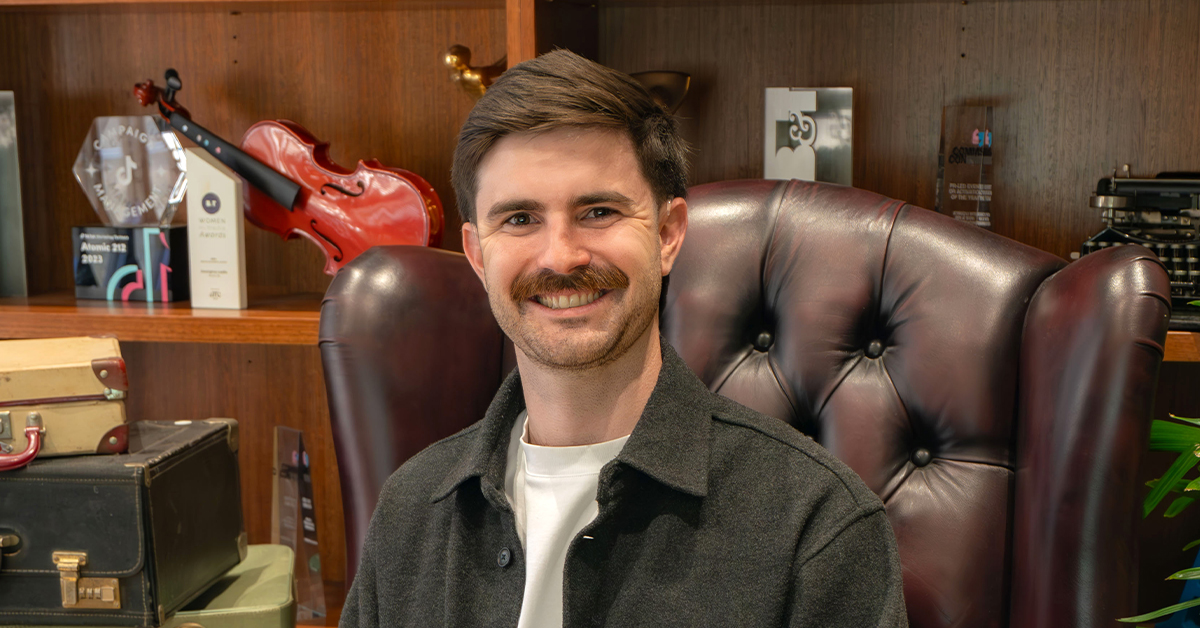
Atomic 212°’s Australian chief executive officer, Rory Heffernan, said no matter the size of the industry, brand, or budget, effectiveness matters most.
“For some marketers, that focus is being driven by business pressure, competition, or tighter budgets,” Rory explained. “For others, it’s a sign of confidence — wanting to clearly show how marketing is contributing to business growth.
“Omnichannel is still a helpful way to think about how people experience brands today. Consumers move between paid, owned, and earned channels seamlessly, and brands need to be present and relevant where it counts.
“But when it comes to choosing which media channels to invest in, many of our client partners are simplifying their thinking and leaning into a ‘fewer, bigger, better’ mindset.”
It’s a shift that makes sense to Rory, given how complex the media landscape has become, with myriad platforms and partners to choose from.
“At the same time, better data and measurement tools mean marketers can now see much more clearly what’s working and how different channels support each other. It’s no longer just about asking whether a channel performs, but how it contributes alongside everything else.
“Because of that, cutting spend or trimming channels without understanding what’s truly driving incremental impact can be risky. A channel that looks average on its own may actually play an important role in lifting performance elsewhere in the mix.”
To get a clearer picture, Atomic 212° is investing in “better datasets and tools” to understand how people really interact with brands. When he looks at where media investment is growing, a few areas stand out: screens, out‑of‑home, audio, and search.
“In a recent case study for a client, we concentrated investment to achieve the right level of presence in a primary screen environment — linear TV for this audience — which saw stronger results than those trying to spread investment thinly across similar channels.
“By leaning into higher‑attention environments, performance improved not just at the top of the funnel, but right through to sales. Other channels benefited too, each showing an increased payback, and overall growth from the campaign outperformed benchmarks.”
It’s a good example of ‘fewer, bigger, better’ in practice. For major campaigns, Rory said this means choosing three of four core channels.
Nitin Sinha, head of media planning at New York media agency Noble People, told LBB the company is helping clients avoid the trap of “defaulting” to the same few archetypes in media mixes.
“The modern advertising marketplace has convinced marketers that they’re choosing their own adventure when it comes to the marketing mix, but the fact is that the big players — often enabled by well-intentioned media planners — have managed to redirect a ton of dollars into a handful of tactics dressed up to look like variety,” Nitin said.
Nitin’s clients have ambitious business goals like improving market share, profitability, or audience access, and they want to experiment. These insights determine the marketing mix, and the agency avoids the “same few” combinations of Meta, Google, Amazon, and TV.
“That’s not to say we shouldn’t show up in these spaces, just that we should avoid defaulting to them and be very intentional about how and why we spend there.”
He added sport sponsorships, podcasts and audio, live events, and out-of-home are growing in value and impact.
“I don’t know that I’d say omnichannel is a thing of the past,” Nitin said. “Consumers access media in truly varied ways, and our investment strategies must reflect that. What we should leave in the past is the practice of loosely grouping a bunch of channels together and calling it an omnichannel plan.
“We need planning discipline: a clearly defined addressable universe, transparent and justifiable translations of audiences into a targeting approach, intentional media flighting, controlled reliance on blackbox optimisation, and healthy frequency management.
“With some of these fundamentals in place, we can absolutely still win with omnichannel marketing mixes.”
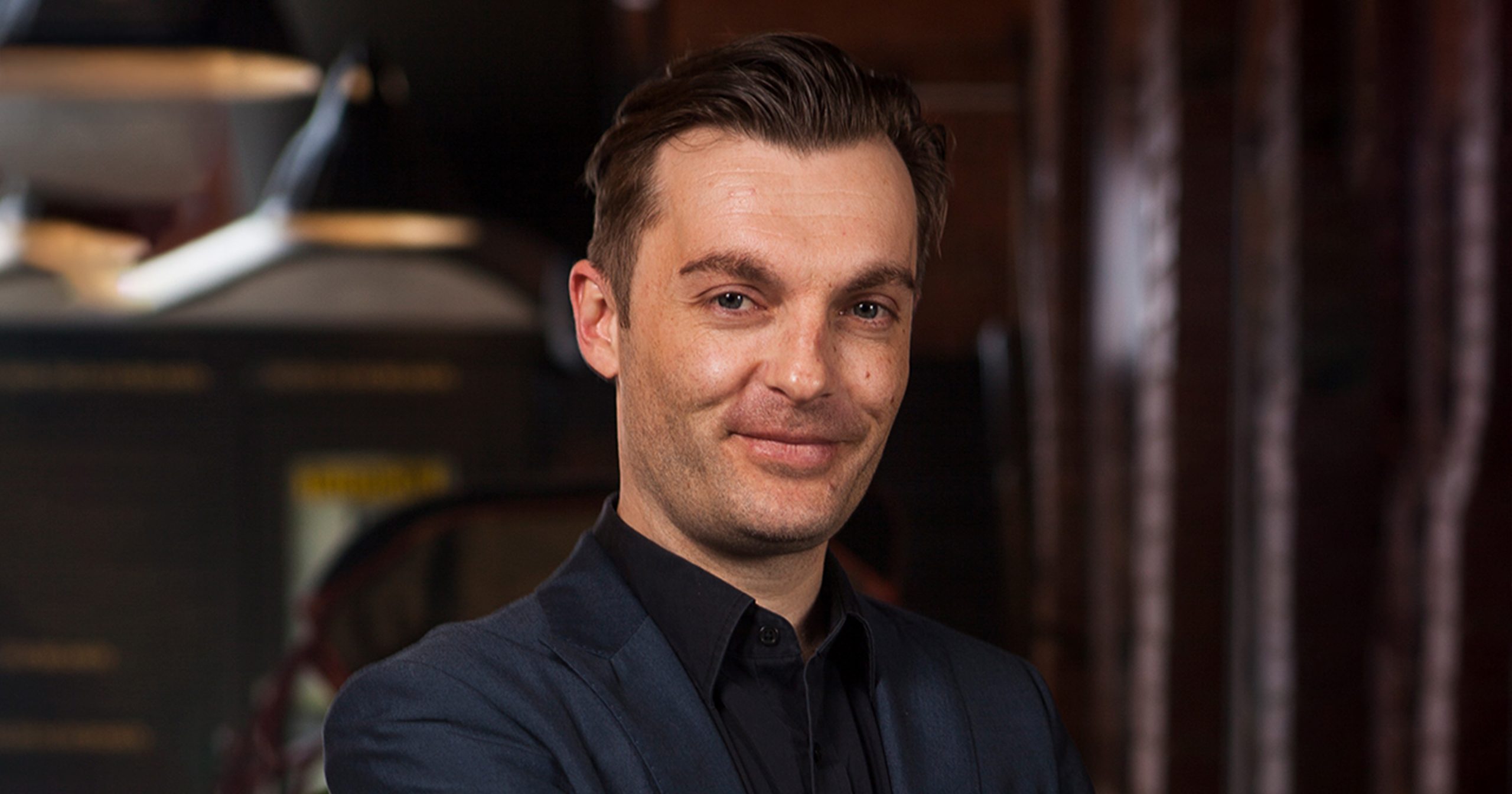
Dan Hojnik, national general manager and head of strategy at Australian media agency Involved Media, agreed omnichannel isn’t dead, “but blind omnichannel probably is.”
“We’re absolutely seeing a shift away from ‘be everywhere’ to being much more deliberate about where you show up and why,” Dan explained, which he said is “especially true” for a lot of mid-market brands.
“The biggest issue is doing too much with too little. Spreading budget across too many channels just leads to underpowered activity that doesn’t move anything. The IPA evidence still holds that multiple channels working together is more effective, but my belief is the definition of ‘channel’ is outdated.”
Consumers, Dan said, don’t delineate between paid, owned, and. earned – they just experience a brand showing up in different moments.
“That builds consideration over time,” he said. “So the shift is less about omnichannel planning and more about systems thinking, how different touchpoints work together to influence behaviour, rather than ticking off channels in a plan.
Like Noble People, Involved Media has also noticed an uptick in scrutiny towards platform-heavy approaches focused on Meta, Google, Amazon, and TV.
Dan is noticing “less default allocation into Meta/Google/DSPs, [and] more pressure on proving incrementality and actual attention.
“The rise of managed and self-serve marketing mix modelling (MMM) SaaS solutions also support this. Related to that, we are finding more interest in locally produced or context-rich media where you get higher attention and a more engaged audience, versus blindly buying cheap reach.”
Article originally published on Little Black Book.