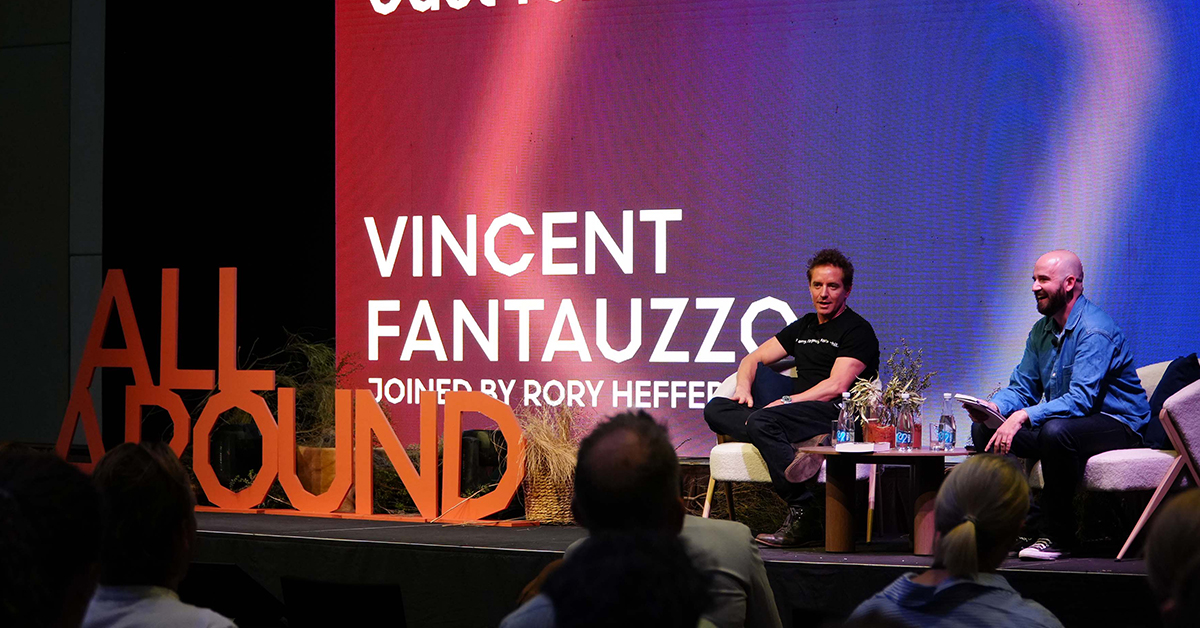
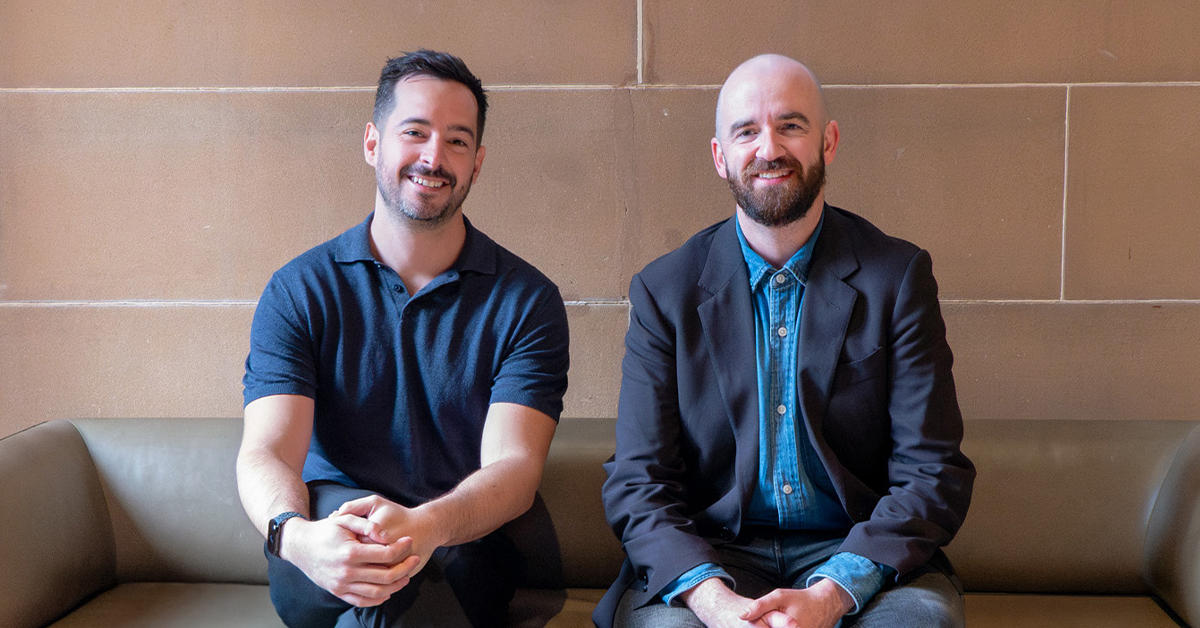
Last night, Atomic 212° founder and chairman Barry O’Brien was inducted into the MFA’s Hall of Fame.
Recognised in front of his peers at the MFA Awards at Royal Randwick in Sydney, O’Brien was lauded by industry leaders and friends, including Mark Coad, CEO of IPG Mediabrands, former Seven sales boss Kurt Burnette and more for his mentorship, generosity and passion for the industry.
After the dust had settled and O’Brien had visited a McDonald’s drive-thru on the way home to celebrate, B&T caught up with the newest Hall of Fame-r this morning to further reflect on his career and his recognition by the MFA.
“It was incredibly special. As I said in my speech, a 17-year-old went to find work and the brief from the old man was ‘Don’t come home without a job’. I nailed the first job interview with the employment agent and became the office assistant,” O’Brien said.
“I’d never, ever thought that I’d had the life and career that I had. But I learned pretty quickly where I wanted to be. I wanted to be in advertising and I’ve loved every minute of every day. I feel as though I’ve never actually had a job. I’ve been on this dream run—there’s been highs and lows, like all of life—but it’s been pretty special. And then to get the recognition from the MFA, my peers and the beautiful words from Mark—we’ve been mates for 30-odd years, so that was very special. A dream come true from a dreamer.”
O’Brien told the crowd at the MFA Awards last night that his 17-year-old self had thought about becoming a builder but there weren’t many apprenticeships around and the economy was “in dire straits”. The vocational guidance councillor at his school thought he’d make a good car mechanic, but O’Brien said he hated having grease under his fingers. This led him to the world of cinema, after six weeks there, he knew he wanted to have a career in advertising.
“It was all I wanted to do. They wanted me to be an accountant,” O’Brien told the crowd.
“The job with United Artists, the motion picture distributor, God was smiling on me that day.”
O’Brien said the industry appealed because it offered the chance to do something new and something different all the time.
“It was a different movie every few weeks. You were working on the same category but a different product,” he said.
These could form kids movies, romances, or the big blockbusters of the day—Pink Panther and the early James Bond films.
From there, O’Brien made his way to agencies, working with some of the biggest names in industry’s history. In 1994, he started his first agency—Total Advertising & Communications—with Don Fox and Ian Bennell. The Clemenger Group purchased the business in 1999. It started a 20-year stint with the Omnicom Group for O’Brien. Total would be renamed PHD in 2008, with O’Brien serving as CEO.
Four years later and with PHD by then the largest agency in the country, he departed to join Channel 10 as its chief sales officer. After a little over a year at 10, O’Brien returned to agencyland, founding Atomic 212°. It became the largest independent agency in the country, until it to was acquired by the Publicis Groupe earlier this year.
“Barry’s got a record of building incredible agencies that have been recognised both locally and globally. He’s won several agency of the year awards across the period, he’s held in extremely high regard in our industry, he’s a great businessman and a builder of great agencies. And he’s done that more than once,” said Coad on the night.
During that time, O’Brien has given countless hours and days of his time to charity. In 2014, he was awarded an OAM in the New Year’s Honours List for his work in charity and media. He has also been a valued mentor to many, generous with his time and always happy to chat.
“I was 17 once and people took interest in me because was interested in them,” said O’Brien.
“Take interest, be interested. These people now have big jobs, they have pressures. I knew them when they were kids. They reach out and what I’m doing now with you, that’s why I do with them. I’m in the car, I’m waiting at the airport, someone texts and asks if I’ve got five minutes—yep, of course,” he continued.
“But that door goes both ways, if you’re just a taker, then they look at you and think that bloke’s a waste of time. But if you’re a giver and a taker, it works… Been a lot of piss-takers too by the way, mate!”
For what it’s worth, we spoke to O’Brien for more than half an hour.
In a number of ways, it’s trite to ask someone what has changed over the span of their career and the answers are often predictable—the internet, AI, mobile phones and so on. It’s often more instructive to find out what hasn’t changed.
“Good marketers are good marketers, good media people are good media people. But you must have a love and a desire to make this succeed… What hasn’t changed is the people who have an understanding of the psyche of a consumer, getting the creative message across, what medium will be the best to approach that,” O’Brien said.
“I’ve been able to sit in a room and say to a client, ‘We can do that. But if we do it, I think it’ll fail. These are the reasons I think it’ll fail and if it was my money, I wouldn’t do it.’
“They like that, they like the challenge. A lot of people sit there and say, ‘Right, that’s what we’re doing’ and they haven’t got the understanding or the love.
“I don’t give a rat’s arse if you’ve got $1 or $100 million.”
What O’Brien does give a rat’s arse about, however, are all the people in his life.
O’Brien said he was “very happy” to share the stage with Coad last night and that he did a “wonderful job recapping 50-odd years in five minutes”. He thanked all his family by name on stage last night and, in particular, his wife Suzanne.
“The accolade is as much Suzanne as it is me. Behind every inductee, there’s an even better inductor. She’s been incredible,” he said.
“She’s been my rock, my best friend, my mentor of the mentors. When you’re having a day and eating too many shit sandwiches, she’s the one to say, ‘It’ll be OK. It’ll work out.’”
All told, it’s not bad for a man who, in his father’s words, “had trouble driving a nail straight into a pound of soft butter”. Building’s loss has been advertising’s gain—and then some.
Article originally published on B&T.